
Fan Appreciation Daze
How a show's fans lifted my spirits years after working on the series.

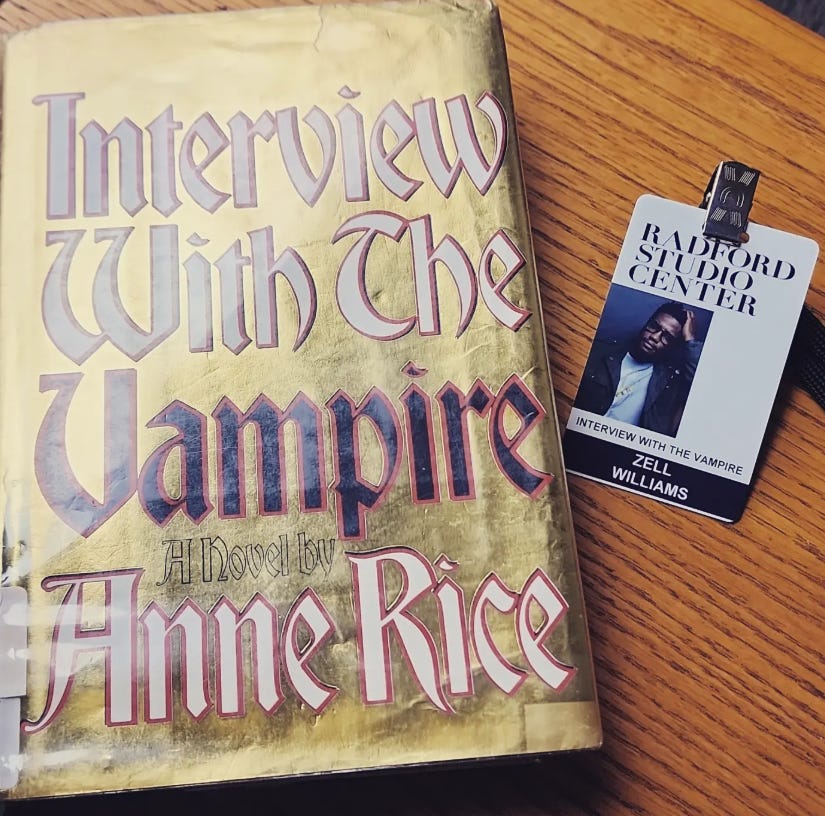
Something has happened to me online that usually only happens in live theatre. For the past week, a flood of fans of AMC’s Interview With the Vampire have followed me on Instagram and subscribed to Kearney Blvd. Many have even become paid Substack subscribers for the low, low cost of $8/month! Wink, wink.
I began my career as a playwright over 20 years ago. When you’re lucky enough to see your work produced, sometimes an audience member notices you’re there and takes the time to say how much they appreciate your story. In TV and feature, you may stumble on a positive Tweet mixed into a sea of criticism. But never have I experienced such a marvelously humbling show of gratitude.
I was a producer for IWTV’s second season, and it was one of the best projects I’ve worked on. I’ve been a fan of Anne Rice since high school. Casting the stellar Jacob Anderson as Louis added layers of depth to the character by making him a black man in the American South at the turn of the 20th Century. Beyond adjusting to his new existence as a vampire, he struggled with a world that refused to acknowledge his power, as a man or as a creature of the night.
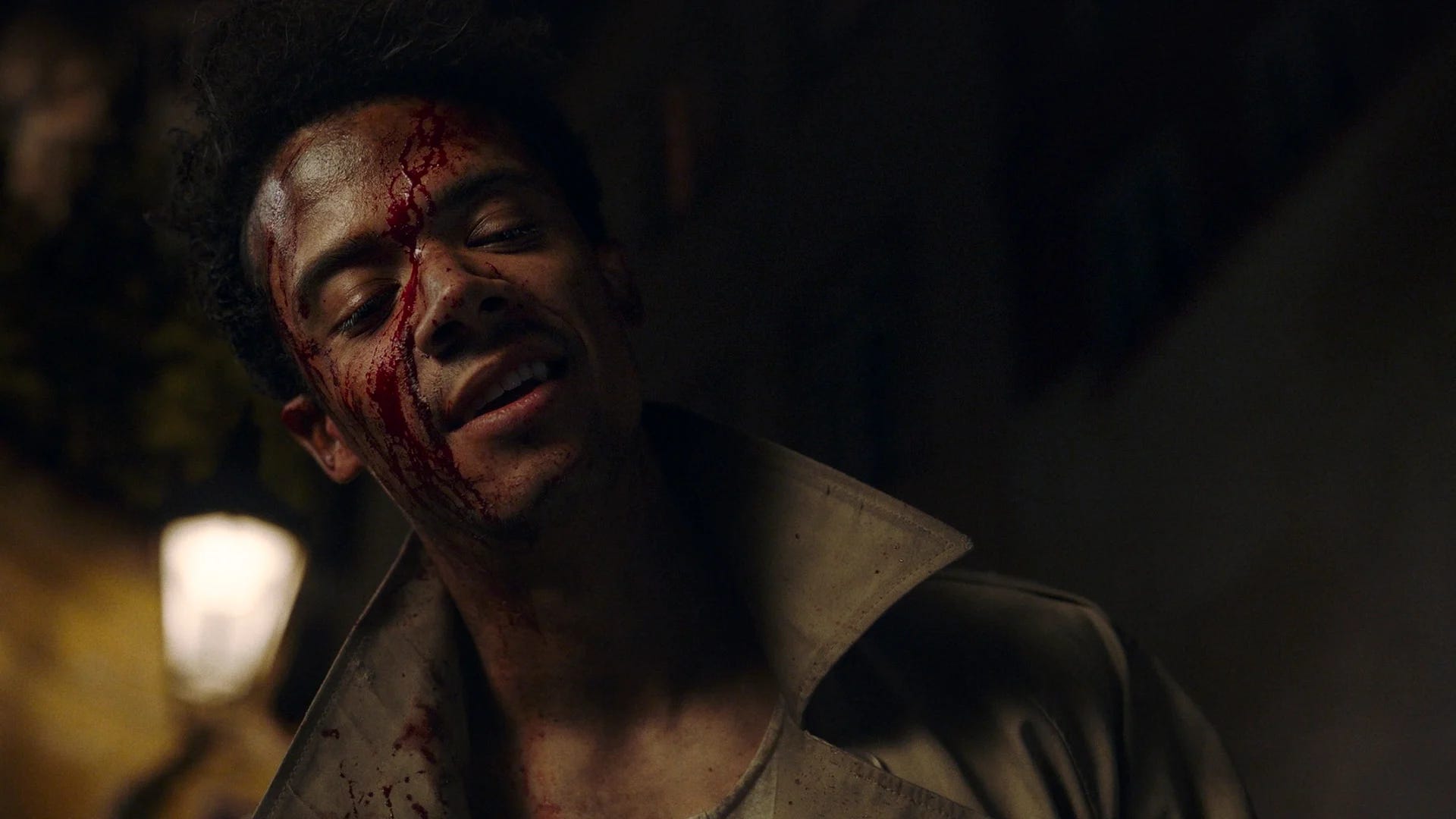
On top of that, the series was upfront and audacious about Louis and Lestat’s queerness and the harm that comes from an all-consuming codependency. We had a chance to talk about gay pride through the metaphor of supernatural power and the universal experience of romantic obsession at levels of emotional intensity found in the best works of Tennessee Williams or Paula Vogel. And, as fans of the books told us, we did it in a way that breathed new life into the narrative while maintaining the spirit of Ms. Rice’s text.
That said, I haven’t watched the show since working on it in 2023. I had no clue why the fans suddenly sought me out. I emailed one of my newer followers to see what sparked their interest, and I want to express my deepest appreciation to that new follower for sharing. According to them, there’s been a conversation amongst the community around race in the current season of the show. This inspired some community members to look for ways to support writers of color who helped bring one of their favorite novels to television.
As I wrote in my last post, much of my work for the past year has been less about writing and more about producing. The downturn in TV production since the writers’ strike has meant that many writers - particularly writers of color - have had to find ways to tell our own stories. Self-producing is a longer and lonelier road than being on a writing staff. So, unexpectedly receiving an influx of gratitude has reaffirmed the hours spent typing in solitude.
I’ve thought about catching up and the show to see what all the talk is about. I’ve avoided watching The Vampire Lestat (which is now the name of IWTV, as it tells the story of the second book in the series) in the way one avoids places you know your ex likes to go to keep from feeling the loss. After having a great experience in the IWTV writers’ room and the difficult experience of serving as a WGA Strike Captain, I’d hoped the executives would bring me back to the writers’ room in 2024. Sadly, they let most of the room go and communicated that decision in a less-than-compassionate way.
Every TV writer gets fired. There are obvious reasons for this, such as being a poor writer or a poor collaborator. But writers are most often fired for reasons that have nothing to do with their performance. The network cuts a show’s budget and can no longer afford them. A new showrunner takes over and wants writers who tell stories as they do. The profession’s very nature makes getting fired as much a part of the job as getting hired.
One trend I found that is different about getting fired as a TV writer is how we find out we’ve been let go. I’ve had friends who’ve been working in the writers’ room and learned that their show has been canceled from a story in the press. In this scenario, you have a community to lament with. It’s upsetting, but at least you can go out as a team. Grab drinks, reminisce about breaking that bear of a story, and mourn the stories you’d yet to tell.
A less considerate way to be fired is to be ghosted by your executives. This technically isn’t being fired. Writers have contracts on a show, and those contracts usually end at the conclusion of a season. If you’ve done great work and the show gets picked up, the hope is that you’ll be offered a new contract to continue making it a success. But in entertainment - like much of the rest of modern life - some see compassion as an inconvenience.
There’s a scene in the movie Moneyball where Brad Pitt’s character teaches Jonah Hill how to cut a player. Pitt tells Hill he doesn’t get close to the players because he has to be able to “...cut ‘em, trade ‘em, send them down.” Pitt reminds Hill that the people he’s firing are professionals. To be direct, tell them the facts, but actually tell them because it shows them respect. It’s a scene familiar in sports, depicting athletes as emotionally tough as they are physically.
I see this as more of a sign of a functional community, sports or otherwise. A community has to communicate to operate. Otherwise, you aren’t fostering an entertainment community, but an entertainment hierarchy. A system where the livelihoods of lower-level artists are considered less important than inconveniencing executive-level artists. This behavior chooses to enshrine callous, lazy mantras like, “It’s called show business, not show friendship.” I, for one, would rather work with people I consider friends than those who don’t respect our commitment to the world we’ve built.
“Firing Protocols” - for lack of a better term - is something I wish the Writers Guild would create guidelines for. While WGA MBA outlines rules for how producers can treat writers, there are no rules for how showrunners-members of the union have to treat their staff and fellow union members, to my knowledge. Just as contracts between producers and writers are reported to the Guild, it would be useful for the WGA to get a form explaining why writers’ contracts weren’t picked up.
This reporting could also serve as a heads-up to the fired writer, letting them know they aren’t being brought back to the show. Instead of waiting for a call from their agent or former showrunner, writers could find the form on their WGA online profile and learn why they weren’t invited back. It would still sting, unquestionably. But it would be a more dignified end than not hearing anything at all.
Another benefit would be the real-time data on the industry’s rehiring practices. If a producer or showrunner regularly has to restaff writers of a specific ethnicity or gender, the WGA would have a better understanding of the hurdles faced by its non-white and non-male members to remain employed. The 2025 UCLA Hollywood Diversity Report has shown that jobs for artists of color, women, and the disabled have declined in recent years. Seeing how WGA’s own members may play a role in this would help us build a union that is more inclusive and more just.
By the end of Moneyball, Brad Pitt’s character arc shows him that he doesn’t need to be distant to be a good manager. Yes, he does have to cut players. But he learns that the distance he puts between himself and his team only makes him feel more isolated and gets in the way of them winning. This moral is the most intimate link between the arts and athletics. If you treat people with respect only as long as you need them, that last act of indifference will define your time together and the success of what you’ve made.
Thank you for your post. 💕 enjoyed listening and reading and learning more about the ‘industry.’ Hope to see change that provides you as storytellers the respect and honor you deserve.